
 (519) 304-7002
  info@ionc.org
  (519) 304-7002
  info@ionc.org
 Sun Safety: UV, Vitamin D, Pollution & Skin Health
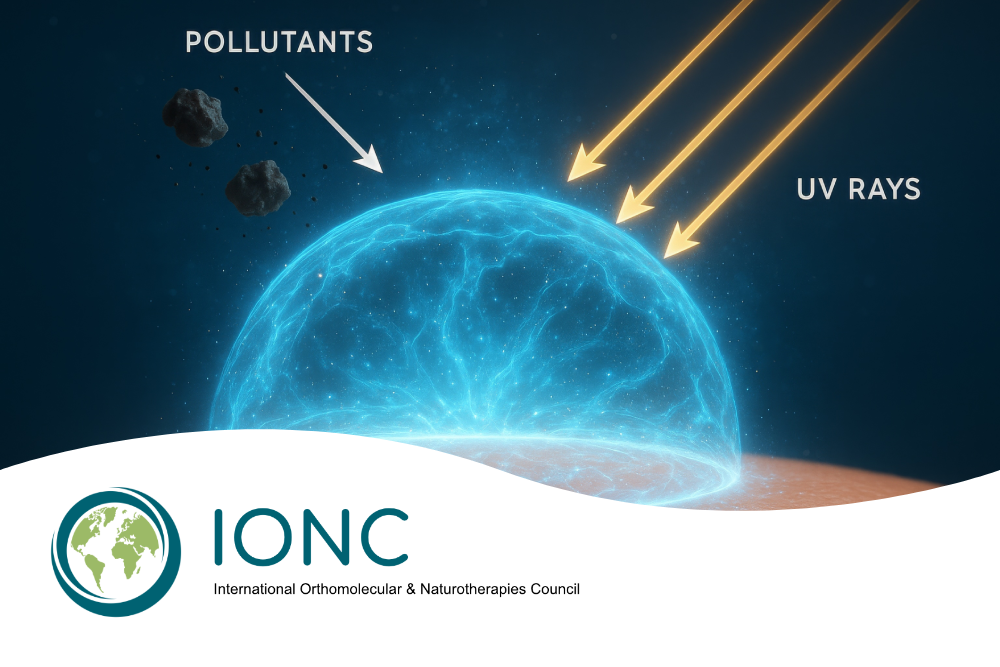
As we enjoy the heart of summer, it’s a great time to think about how we protect our skin while spending time outdoors. With long, sunny days and more time outside, understanding the balance between safe sun exposure and proper sun protection is an important part of support your overall health and well-being.
The UV index tells you how strong the sun’s ultraviolet rays are — and how they can affect your skin and eyes. Even on cool or cloudy days, UV radiation can still cause damage. While sunlight helps your body produce vitamin D, too much UV exposure increases the risk of skin cancer, premature aging, and eye damage.
Best Time for Unprotected Sun (Vitamin D)
If you’re aiming for short, unprotected sun exposure:
- Before –10 AM
- After – 4 PM
UV levels are lower during these times, reducing risk while still supporting vitamin D production. Midday (10AM -4PM) is when UV is strongest – this is when protection is most important. For many people 5-15 minutes a few times per week on exposed skin is often enough (varies by skin tone and season).
Why Some Regular Sunscreen Ingredients Raise Concerns
Many conventional sunscreens use chemical UV filters. While approved for use, some ingredients have raised questions:
- Oxybenzone – Absorbed through skin, studied for possible hormone effects
- Octinoxate – Linked to hormone and environmental concerns
- Homosalate – May build up in the body over time
- Octocrylene – Can degrade into benzophenone (a compound studied for carcinogenic potential), under safety review
Choosing a Natural Sunscreen
Mineral (“natural”) sunscreens use:
- Zinc oxide
- Titanium dioxide
These sit on the skin and reflect UV rays, with minimal absorption into the body and good tolerance for sensitive skin.
Best Natural Sunscreen Picks
Best overall (clean every day use)
Attitude Mineral Sunscreen SPF 30
Green Beaver Mineral Sunscreen Lotion SPF 40
Best for sensitive skin
Blue Lizard Sensitive Sunscreen SPF 50
Best for active lifestyle / sports
Thinksport Clear Zinc Sunscreen SPF 30
Best for face
All Good Facial Sunscreen SPF 30
Diet & Sun exposure
From a perspective often discussed by Dr. Mercola, sun tolerance and skin health are not just about sunscreen – they are also influenced by diet and oxidative stress.
This viewpoint emphasizes:
- Reducing processed foods and refined sugars
- Limiting industrial seed oils (such as canola, soybean, corn, and sunflower oils)
- Focusing on stable fats like olive oil, butter, coconut oil, and omega-3 rich foods
Highly processed seed oils may contribute to higher levels of oxidative stress in the body, which could make skin more vulnerable to inflammation from UV exposure. This reflects a broader functional medicine approach that links diet quality with skin resilience.
Some also explore antioxidant-focused approaches, including supplements such as MegaHydrate (molecular hydrogen), which helps support the body’s response to oxidative stress.
UV Exposure in a Polluted Environment
An important extension of the discussion on UV exposure and sun safety is the role of environmental pollution in modifying how our skin responds to sunlight. Pollutants such as particulate matter (dust, soot, smoke, tiny bits from exhaust or construction), ozone, and combustion-related chemicals (gasoline/diesel, industrial emissions, wood burning, cigarette smoke) can interact with UV rays to intensify oxidative stress in the skin. This means that even moderate sun exposure – typically considered beneficial for maintaining health vitamin D levels – may lead to greater skin damage when pollution levels are high. As a result, safe sun practices should not only consider duration and timing of UV exposure but also environmental conditions like air quality. Incorporating daily sunscreen use, cleansing to remove residual pollutants, and antioxidant support becomes especially important in balancing the benefits of vitamin D production with long-term skin health and protection.
Points to Remember
Short, sensible sun exposure can support health and vitamin D – but timing matters. The strongest evidence still supports avoiding intense midday UV and using protective strategies when UV levels are high. Diet & lifestyle play an important role in overall skin health, but they work best alongside of sun-safe habits.