
 (519) 304-7002
  info@ionc.org
  (519) 304-7002
  info@ionc.org
 Wellness During Tick Season
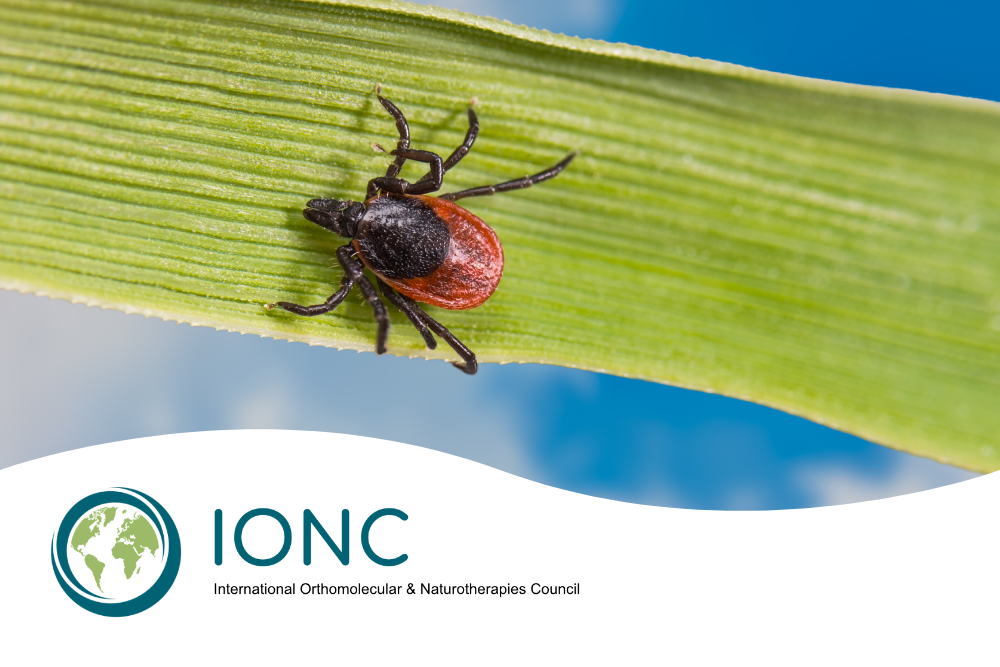
As practitioners, we’re seeing firsthand how environmental changes are influencing health risks. Weather changes, migratory birds, expanding deep populations, and changing wildlife habitats are contributing to the spread of ticks into new regions and extending tick activity seasons farther north than we’ve traditionally seen.
While the Lone Star Tick has received considerable attention for its association with Alpha-gal-syndrome – a potentially life altering allergy to mammalian food products such as beef, pork, lamb, and other red meats – it has also been linked to several other illnesses, including ehrlichiosis, tularemia, Heartland virus, Bourbon virus, and Southern Tick-Association Rash Illness (STARI), a Lyme-like condition.
Researchers continue to identify additional bacteria, viruses, and co-infections within tick populations, highlighting the complexity of tick-borne disease and the importance of ongoing vigilance.
Here in Canada, however, our primary concern remains the expanding range of the Blacklegged Tick, which may carry pathogens associated with:
- Lyme disease
- Anaplasmosis
- Babesiosis
- Powassan virus
- Borrelia miyamotoi disease
Many of these infections have the potential to affect the nervous system, cardiovascular system, joints, and immune function if not identified and addressed early.
One of the most valuable roles we can play is educating our clients about prevention. Encouraging people to take simple precautions during outdoor activities can significantly reduce their risk of exposure.
Tick Prevention Strategies
Consider reminding the individuals we’re working with to:
- Use an appropriate tick repellent when outdoors
- Wear long sleeves and pants in wooded, brushy, or grassy areas
- Perform full-body tick checks after hiking, gardening, or spending time outdoors
- Remove ticks promptly using fine-tipped tweezers (for a stubborn embedded tick applying a cotton pad lightly soaked with liquor spirits may help loosen the tick before removal)
- Clean the bite area thoroughly after removal; some practitioners may also choose to incorporate individualized topical support and immune-supportive wellness recommendations based on the client-patient’s presentation.
- Monitor for symptoms such as rash, fever, fatigue, joint pain, or unusual allergic reactions following a tick bite.
Natural Tick Repellent Options
Many of those we see in practice are interested in natural approaches to tick prevention. Certain essential oils have demonstrated repellent properties and may be useful when applied to clothing and outdoor gear. Commonly used options include:
- Eucalyptus
- Clove
- Geranium
- Cedarwood
- Citronella
- Oregano
- Thyme
- Peppermint
A simple blend that some individuals find helpful combines:
- 10 drops citronella
- 10 drops cedarwood
- 5 drops thyme
- 5 drops eucalyptus
Mix into 2 ounces of witch hazel or a suitable carrier oil.
Advise they patch test first and apply lightly to clothing, socks, shoes, and exposed skin as tolerated.
For individuals spending time in high-risk environments such as forests, tall grass, or brush-covered trails, natural repellents are best viewed as one component of a broader prevention strategy that includes protective clothing, and regular tick checks.
Another area of growing interest involves supportive strategies that may help clients dealing with the long-term effects of tick exposure. One recent study reported a 90% remission rate in people with alpha-gal syndrome (AGS) using Soliman Auricular Allergy Treatment (SAAT) a specialized form of auricular acupuncture. While more research is needed, the results are certainly intriguing and add to the growing conversation around acupuncture’s potential role in supporting complex immune related conditions. At the same time, it’s a good reminder of why educating clients about tick prevention remains such an important part of our work.
Another point worth sharing with client-patients is that ticks don’t just affect people – they can affect our pets as well. Encouraging pet owners to check their dogs and cats after outdoor activities, particularly around the ears, neck, paws, and under the tail, can help identify ticks before they become a larger concern. Keeping grass trimmed, minimizing exposure to tall brush and maintaining regular grooming habits are simple preventive measures that can reduce tick exposure for both pets and their families. Many pet owners also inquire about natural repellents; however, it’s important to remind them that not all essential oils are safe for every animal. Protecting pets is another practical way we can help reduce tick exposure within the household.
As tick populations continue to expand across North America, client education, prevention, and early recognition remain essential for supporting outdoor wellness.